Animals
- Animals
Why elephants and armadillos might easily get drunk
Stories of drunken elephants may not be a myth. Differences in a gene for breaking down alcohol could explain how they get tipsy.
- Animals
When prey get scarce, these jellies become cannibals
Invasive comb jellies may feast on their larvae if massive population booms in summer deplete their prey.
- Animals
Traces from nuclear-weapons tests offer clues to whale sharks’ ages
Traces left by nuclear-bomb testing in the 1950s and ‘60s can help researchers learn how old a whale shark is.
- Animals
Let’s learn about domestic cats
Cats rule the internet — and many of our homes. To get here was a journey of many thousands of years.
- Animals
Pesticides can have long-term impact on bumblebee learning
Pesticide-laced nectar and pollen can permanently harm the brains of baby bumblebees.
- Animals
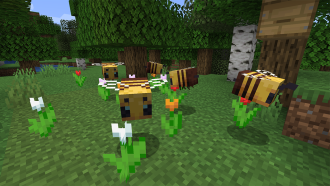
Minecraft’s big bees don’t exist, but giant insects once did
Big bees buzz in Minecraft. In our world, blocky bees might starve and be stuck on the ground. Yet long ago, giant insects did roam our planet.
- Animals
Mice show their feelings on their faces
Pleasure, pain, fear and disgust — all can show on a mouse’s face. As computational analyses show, you just need to know what to look for.
- Animals
How to find the next pandemic virus before it finds us
Wild animals carry viruses that can sicken people. Monitoring those viral hosts that pose the greatest risk might help prevent a new pandemic.
- Animals
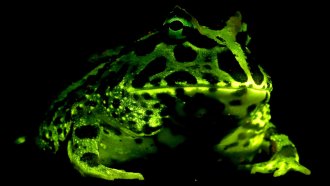
Lots of frogs and salamanders have a secret glow
A widespread ability to glow in brilliant colors could make amphibians easier to track down in the wild.
- Animals
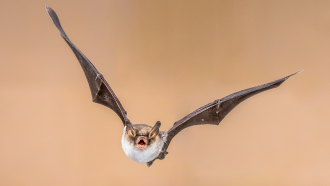
Scientists Say: Echolocation
This word describes a method that some animals use to sense their environments by making sounds and listening for their echoes.
- Animals
Let’s learn about the creepy crawlies in your home
From ants to spiders to crickets to bed bugs — a whole host of insects and other arthropods may be hanging out with you at home.
- Animals
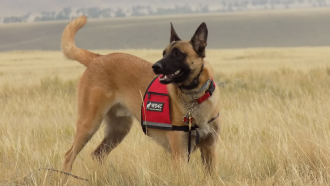
Conservation is going to the dogs
Scientists are now training dogs to help track rare, elusive — and sometimes invasive — plants and animals.