Animals
- Animals
Dolphins can learn from their peers how to use shells as tools
Some bottlenose dolphins seem to look to their peers, rather than mom, to learn how to trap prey in shells.
- Animals
Flying snakes wriggle their way through the air
Flying snakes go tens of meters (yards) without wings. They do it by undulating back and forth and up and down, a new study shows.
- Animals
What you need to know about ‘murder hornets’
Two new specimens of the world’s largest hornet have just turned up in the United States. Here’s what to make of them and other alien-hornet invaders.
- Animals
Pooping ducks can shed the live eggs of fish
Some carp eggs survived and even hatched after being pooped by a duck. This may help explain how invasive fish reach isolated waterways.
- Animals
Tube-dwelling sea creatures may be oldest known parasites
A fossil bed of clam-like animals from a half-billion years ago is covered in tube-dwelling organisms. These suggest the tube dwellers were parasites, scientists now report.
- Animals
Bumblebees may bite leaves to spur plant blooming
In a pollen shortage, some bees nick holes in tomato leaves. This can speed up flowering and pollen production by weeks.
- Animals
Let’s learn about bioluminescence
Some animals, bacteria and algae produce their own light. This bioluminescence can attract mates or protect from predators.
- Animals
Going bright may help corals recover from bleaching
When some corals bleach, they turn neon colors. Flashy hues may be part of a response that helps these corals recover and reunite with their algae.
- Animals
Toxic germs on its skin make this newt deadly
Bacteria living on the skin of some rough-skinned newts make tetrodotoxin. This paralyzing poison is also found in pufferfish.
- Animals
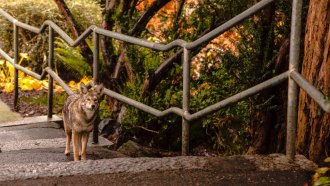
Why you’re spotting more wildlife during COVID-19
People are seeing more animals than they did before the pandemic. There are many reasons why.
- Animals
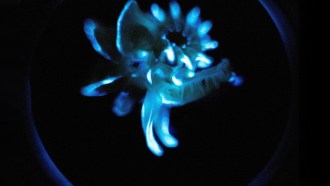
This tube worm’s glowing slime may help sustain its own shine
Snot oozed by a marine tube worm can glow for up to 3 full days. The secret of how this works might lead to long-lasting lights that glow on and on.
- Animals
#BlackBirdersWeek seeks to open the outdoors for everyone
The social media campaign #BlackBirdersWeek hopes to show the world the many black birders and nature lovers of color.