MS-ETS1-1
Define the criteria and constraints of a design problem with sufficient precision to ensure a successful solution, taking into account relevant scientific principles and potential impacts on people and the natural environment that may limit possible solutions.
- Tech
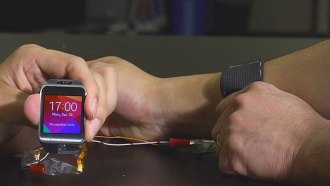
This battery stretches without losing oomph
Engineers have made a durable lithium-ion battery that can stretch to 150 percent of its original length. One day it could power wearable electronics.
- Computing
Computing: Swapping a glove for the keyboard
Sensor-studded gloves, designed by a Texas teen, might someday serve as a virtual keyboard or musical instrument — or even help interpret sign language.
- Brain
Studying? Don’t answer that text!
Homework time? Put away the cell phone. Responding to texts gets in the way of learning and test-taking, teen researchers show.
- Animals
Return of the bed bug
Bed bugs have staged a comeback over the past 15 years. The bloodsucking parasites succeeded through a combination of evolution and luck.
- Materials Science
Cool Jobs: Big future for super small science
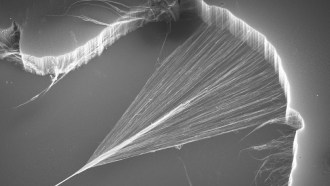
Scientists using nanotechnology grow super-small but very useful tubes with walls no more than a few carbon atoms thick. Find out why as we meet three scientists behind this huge new movement in nanoscience.
- Agriculture
Ditching farm pollution — literally
An Indiana project shows how fighting fertilizer runoff can save farmers money, protect wild habitats and prevent harmful algae blooms.
- Climate
Desert plants: The ultimate survivors
Creosote, mesquite and other desert plants rely on different adaptations to thrive, even when no rain falls for an entire year.
- Computing
Virtual wounds: Computers probe healing
To better understand how the body heals wounds, scientists have begun creating computer programs that let virtual cells fight it out. These ‘computer games’ could lead to better medicines.
- Brain
Magnets may make helmets safer
Magnets in sports helmets could repel players’ heads as they move toward a collision. This should reduce the risk of the hard hits that lead to concussions.
- Tech
Explainer: What is 3-D printing?
A new type of computer printer is already doing a lot more than spraying ink onto paper. Some dispense metal, plastic, food — even cells. In short order, people may be able to manufacture almost anything from their home or office.
- Health & Medicine
Fist bumps cleaner than handshakes
A handshake, while welcoming, can transmit lots of germs — many times more than a high five or, especially, a fist bump.
- Tech
Fashioning inks to ‘print’ tissues
3-D printing may one day create life-saving tissues and organs for transplants. But first researchers are learning how to tailor cell-filled “inks” for use in inkjet printers.